
Why Functional Aesthetics Are the Future of Construction
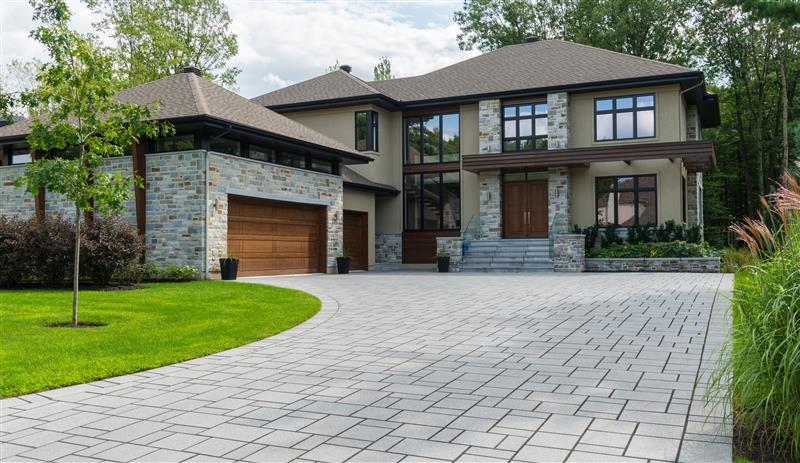
Strength is no longer the only criterion used to evaluate the materials we use in the rapidly changing fields of architecture and construction. Modern construction requires functionality and aesthetics to work seamlessly together. Particularly in design-conscious markets like Australia, this new emphasis, known as functional aesthetics, has taken centre stage in contemporary construction. Long-lasting, environmentally friendly, and aesthetically pleasing building materials are becoming more popular for everything from residential streetscapes to expansive urban developments. Decorative concrete has emerged as the leading choice, offering a balance of strength, versatility, and design appeal.
1. Redefining Concrete: From Utility to Design Statement
Concrete has traditionally been valued for its resilience and structural reliability. Recent developments, however, have changed its function from that of a basic material to that of an essential element in architectural expression. For example, coloured exposed aggregate concrete adds to the overall design of outdoor spaces while providing a textured and polished finish that resists weather.
In a similar vein, decorative coloured concrete is used to enhance architectural palettes and give public walkways, driveways, and business areas personality. This advanced decorative mix, known as Stylecrete, provides designers with multiple creative options while ensuring lasting structural integrity.
These developments change the way developers, architects, and urban planners view the built environment by demonstrating that concrete can now support both performance and design goals.
2. Practical Benefits of Decorative Concrete Solutions
Decorative concrete has several practical benefits beyond appearances.
- Durability: Materials with increased tensile strength, such as steel fibre reinforced concrete, are perfect for high-traffic areas like commercial floors and driveways.
- Low Maintenance: Decorative concrete surfaces that have been sealed are resistant to weathering, staining, and cracking, which lowers the need for continuous maintenance.
- Slip Resistance: Because exposed aggregate concrete and other finishes offer natural traction, they can be used for poolside areas and pedestrian walkways.
- Versatility: Decorative concrete can be used for both horizontal and vertical surfaces, such as patios and retaining walls, enabling design coherence throughout entire complexes.
- More residential, civic, and commercial construction projects are incorporating decorative concrete surfaces because of this unique combination of functionality and style.
3. Meeting Design Goals Without Compromise
A key difficulty in construction lies in achieving harmony between design appeal and practical performance. Even if a structure satisfies technical requirements, its real estate value and user satisfaction may suffer if it is not aesthetically pleasing. This gap is filled by decorative concrete solutions.
Coloured concrete solutions can be tailored to match modern architectural lines or harmonise with the surrounding landscape.
Integrating decorative concrete into courtyards, common areas, and walkways in mixed-use developments guarantees design coherence while providing long-term functionality. This makes it simpler for planners and builders to satisfy aesthetic and engineering requirements in a single product line.
4. Adaptability for Australian Conditions
Building materials that can withstand harsh conditions, such as intense UV exposure and heavy rainfall, are necessary due to Australia’s diverse climate. These settings have shown decorative concrete to be a good fit.
For instance, exposed aggregate concrete finish maintains a textured, non-slip surface while facilitating effective water drainage, making it perfect for both urban and coastal applications. Options for coloured concrete are designed to not fade in direct sunlight, guaranteeing that surfaces will look good for a long time.
Additionally, regional blends that meet Australian standards are provided by nearby concrete producers and readymix concrete suppliers, providing professionals with assurance regarding their suitability for South Australian conditions.
5. The Broader Impact: Streetscapes and Urban Identity
Modern cities’ identities are being shaped by functional aesthetics, which is more than a trend. The use of decorative concrete has increased because of urban planners’ emphasis on pedestrian-friendly spaces and aesthetically harmonious neighbourhoods.
Decorative concrete driveways and pathways contribute to the creation of a unified aesthetic that improves liveability and visual coherence in a variety of settings, including residential developments, civic squares, and laneways. Stylecrete concrete and other materials can be finished to blend in with the surroundings or to stand out as architectural elements on their own.
This reflects a broader recognition that the materials we use influence how people experience and interact with space daily, in addition to their functionality.
Conclusion
The future of construction is embodied by functional aesthetics, where materials are chosen for their design, sustainability, and user experience in addition to their strength. At the forefront of this development is decorative concrete, which combines form and function.
Concrete has evolved from a construction necessity to a key design tool, whether through coloured surfaces, exposed aggregate textures, or reinforced structural mixes. The next generation of built environments will continue to be defined by materials that combine durability and design value, such as decorative concrete, as the demand for more deliberate, aesthetically pleasing spaces increases throughout Australia.